Planning a New Year Renovation? Start the Conversation Now
January holidays have a way of clarifying your thoughts. After a summer at home with family and friends and spending more time there than you normally would, you quickly learn that the kitchen doesn’t work, the living room was never quite right, and the bathroom you have been meaning to tackle for years needs attention.
If a renovation is on the cards for next year, the best time to start planning is now. The decisions you make before your trades are booked shape the result more than anything that may happen on site.
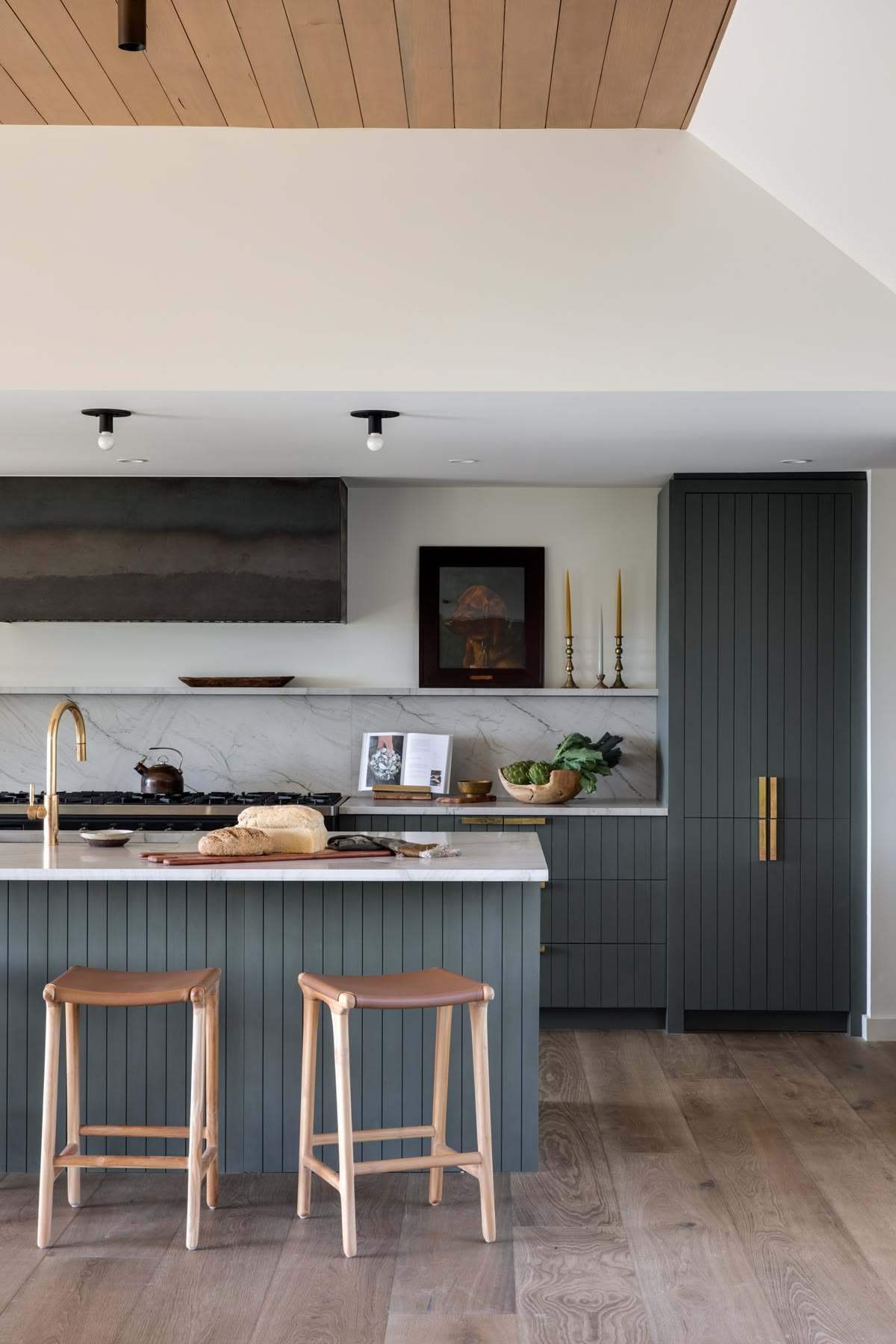
Bespoke joinery, timber floors and leather stools: a fully resolved kitchen that a considered design phase delivers. Image via Pinterest.
Why now matters
Good trades and suppliers book out well ahead, and the weeks after the summer break are among the busiest of the year. Lead times soon add up too. Custom joinery, stone benchtops, made-to-measure curtains and upholstered pieces can each take many weeks, and imported items longer again. If your project needs council or strata approval, that adds its own timeline. Starting the design conversation now means everything can be lined up in the right order, rather than chased in a rush in February.
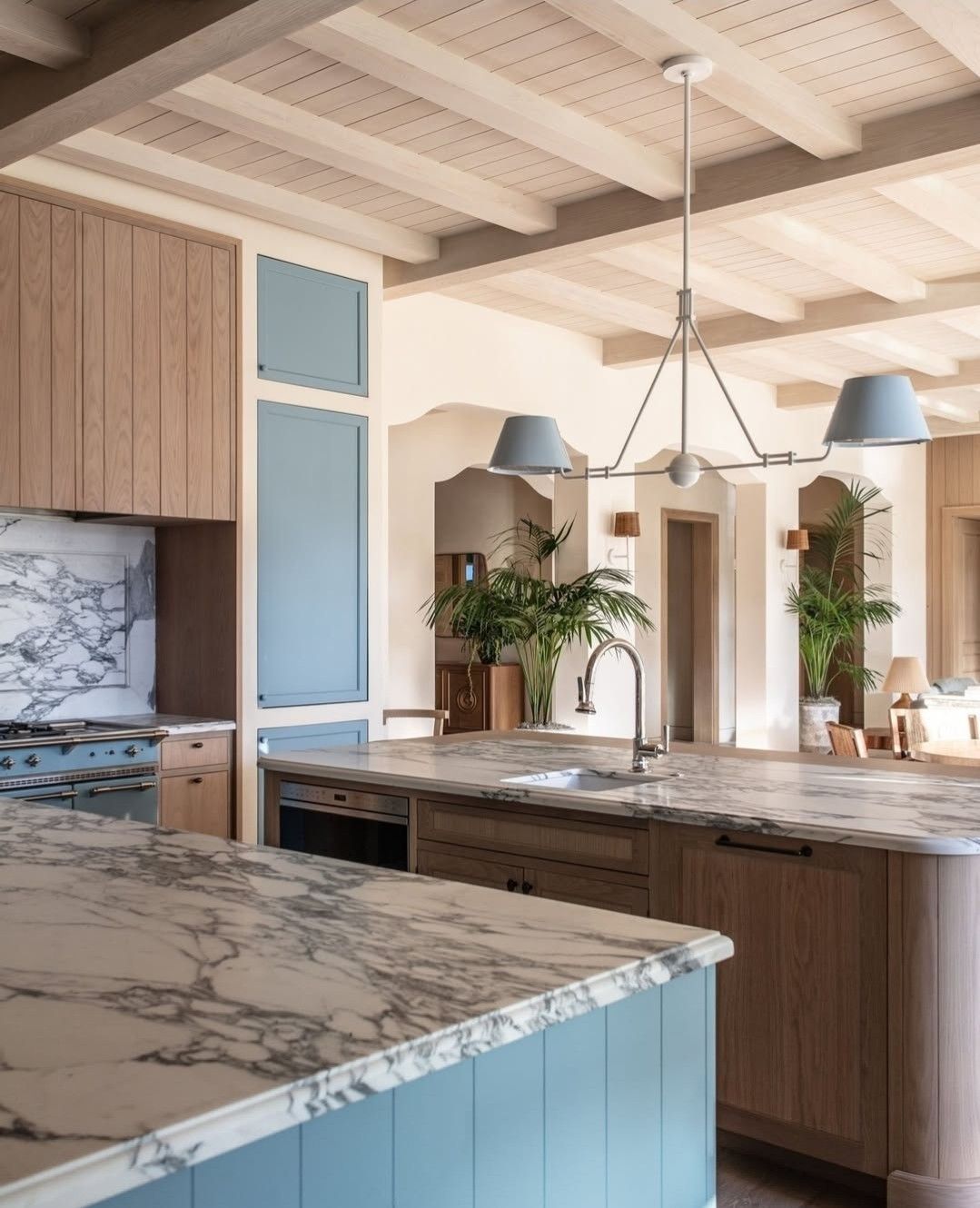
Custom joinery and a stone island benchtop are among the items with the longest lead times. Image via Pinterest.
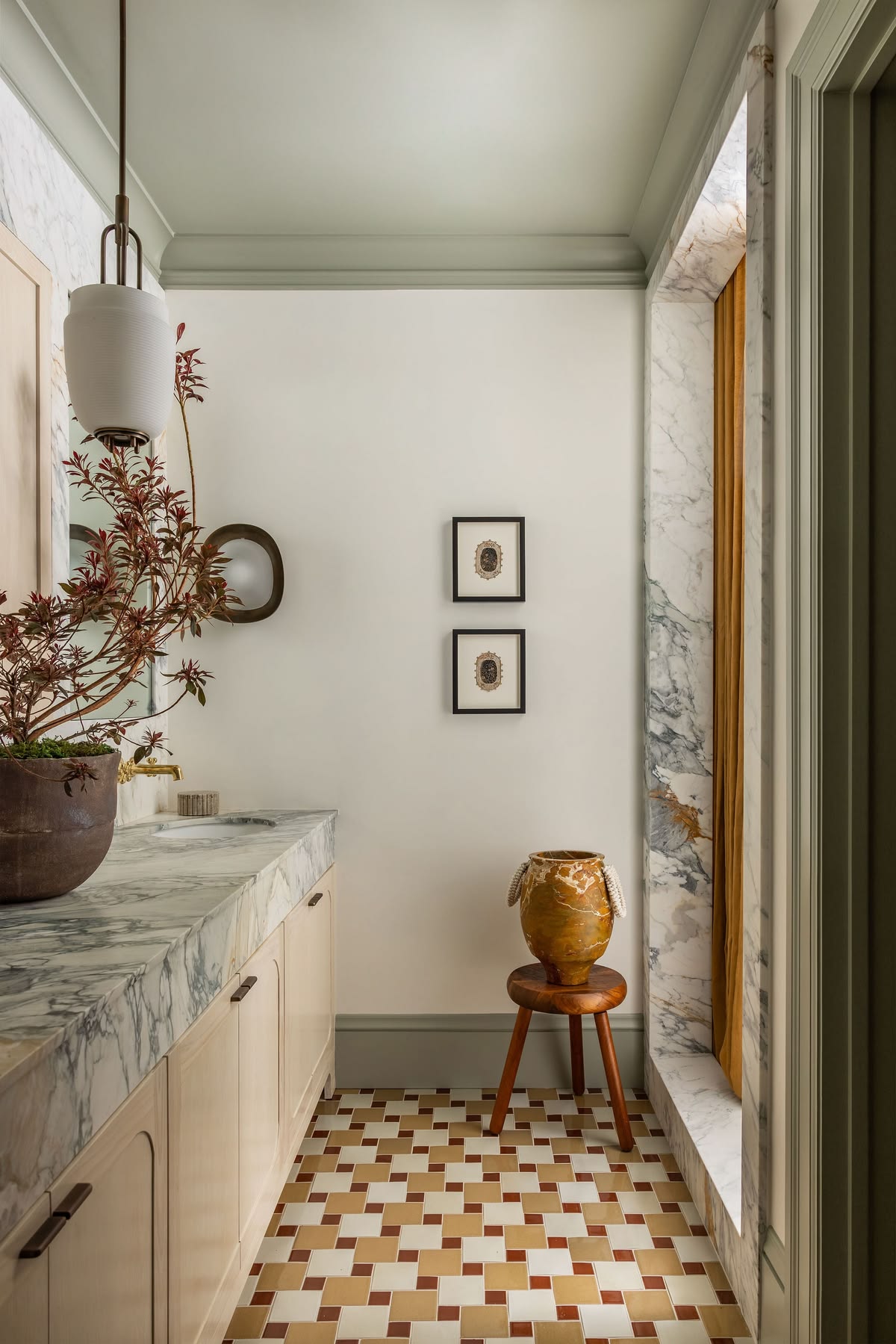
Stone and tiles along with made-to-measure joinery for your bathroom are both worth ordering early. Image via Pinterest.
Use the break to clarify your brief
The holidays are a good time to observe how you actually live in your home. Notice where everyone gathers, where clutter collects, which rooms feel dark at certain times of day and which you avoid altogether. Keep notes on your phone. Start a folder of images you are drawn to, and look for the common thread: it might be a colour, a material, or simply a feeling of calm. A clear brief, even a rough one, is the most useful thing you can bring to a first meeting.
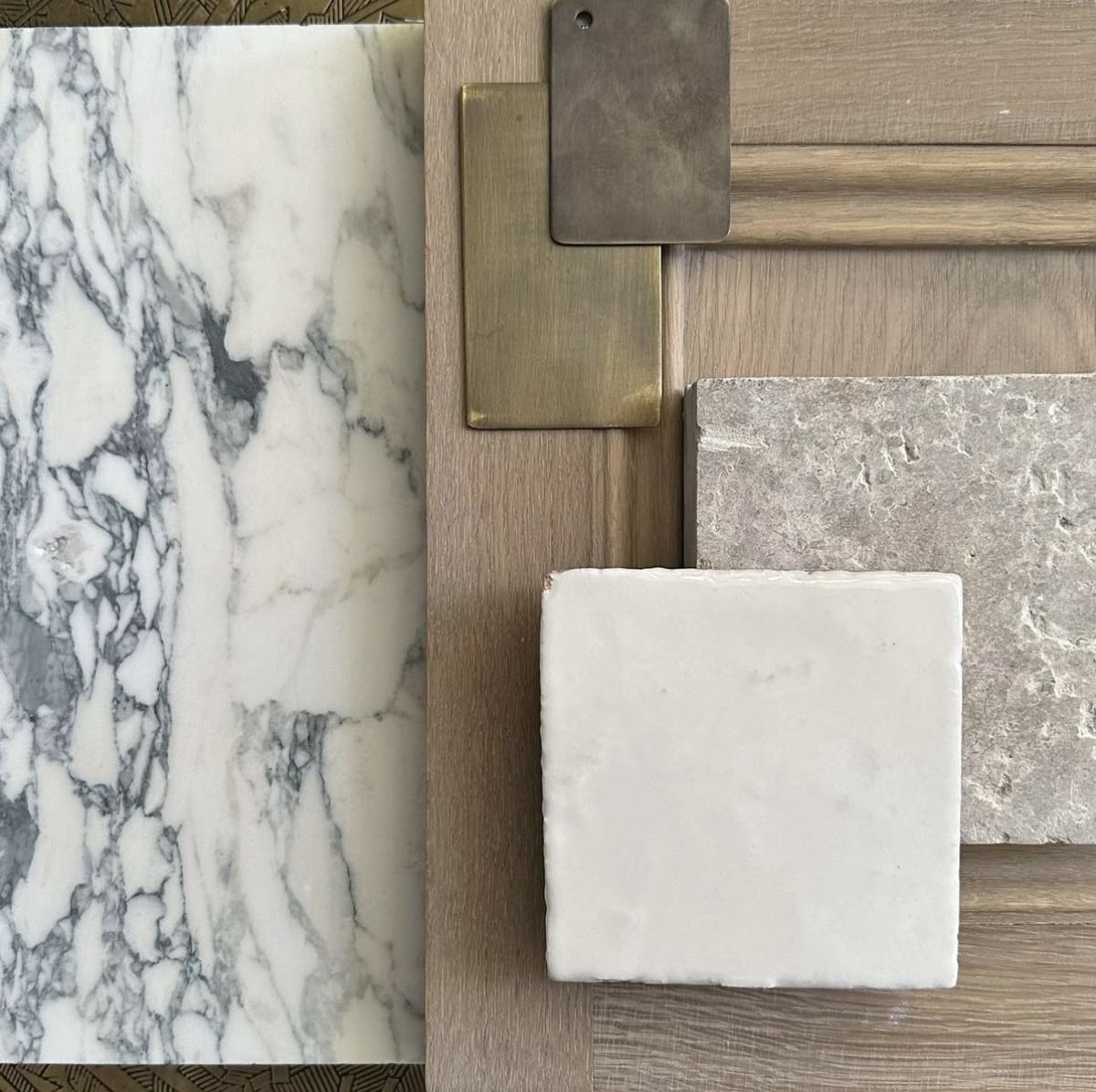
Collecting samples of materials you are drawn to is a good way to find a common thread.
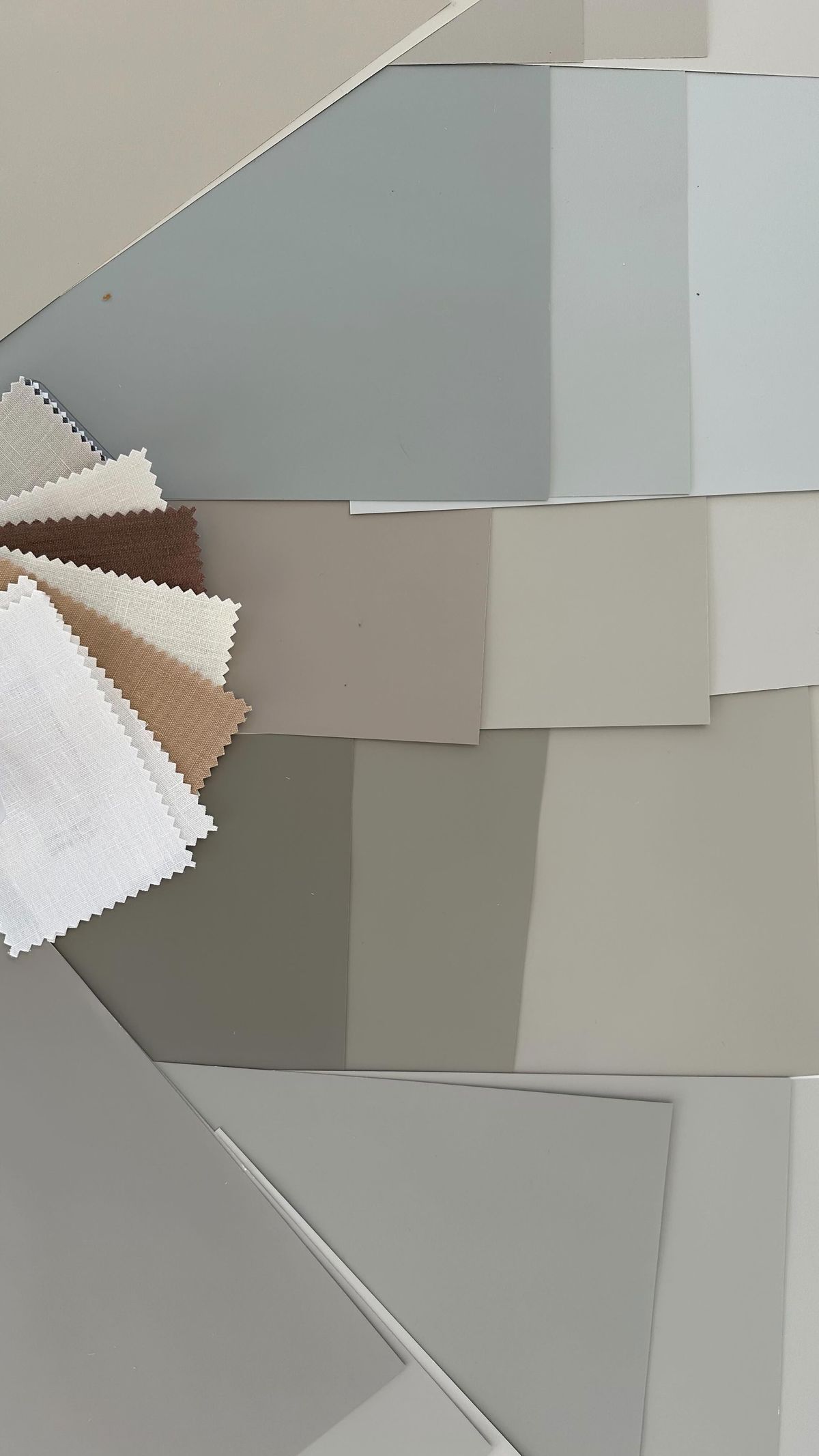
Colour swatches help narrow down a palette before you commit.
Be honest about budget
It is far easier to design well to a known budget than to scale back a scheme that was never realistic. Think about what you would like to spend, and where you would rather spend it. Most renovations benefit from investing in the things you touch every day, such as joinery, tapware and flooring, while being more measured elsewhere. Allow a contingency for the unexpected, particularly in older homes, where the unknowns sit behind the walls and rarely reveal themselves until work begins.
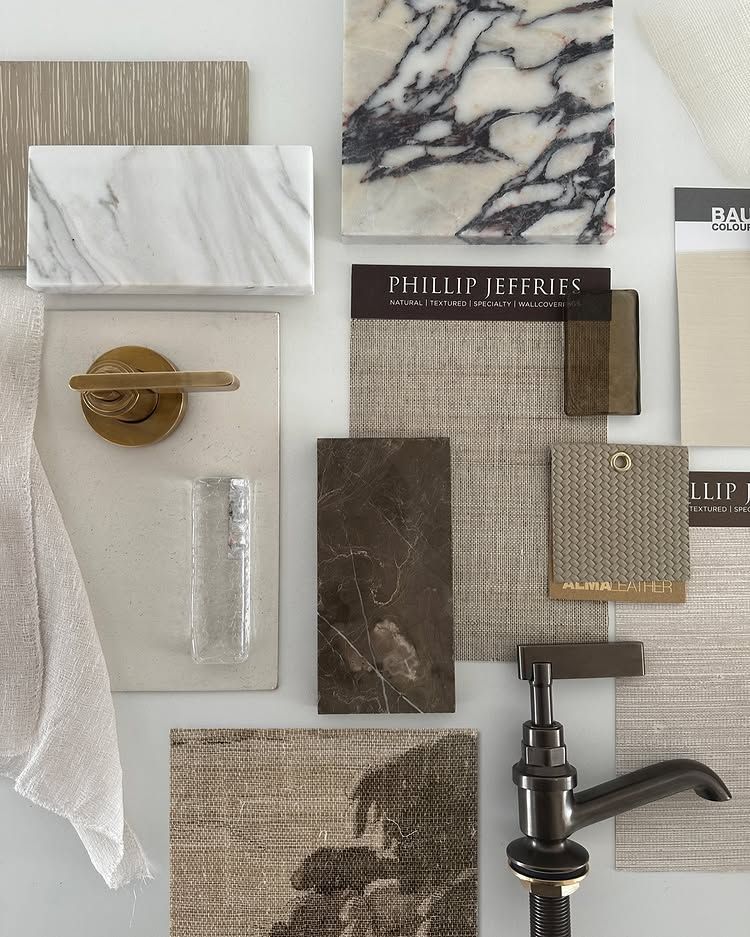
Joinery, tapware and stone: the things you touch every day are worth the investment.
Design before you demolish
The most common mistake is booking trades before the design is resolved. Finishes, fixtures, lighting positions and joinery details all need to be decided before work starts, because each one affects what happens on site and in what order. Changing your mind mid-build is where time and money disappear. A considered design phase is never wasted. It is what keeps the build organised and on track.
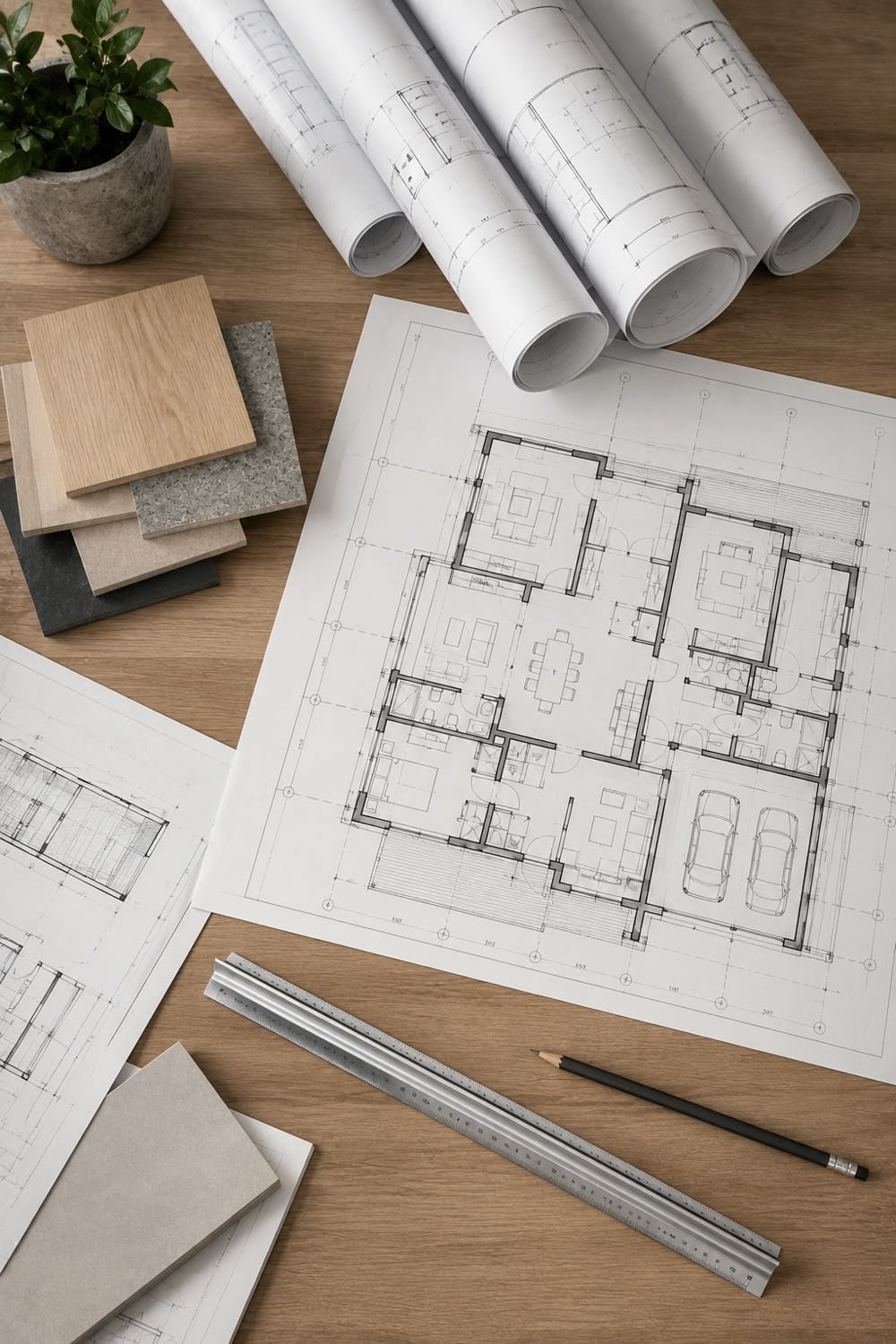
Resolve the design on paper before work begins on site. Image via Pinterest.
What a first conversation looks like
A first meeting is about understanding your home and how you want to live in it. We walk through the space, talk about what is and isn’t working, and look at the direction you are drawn to. From there, we can map out the scope, the sequence and a realistic timeline, so you go into the new year with a clear plan rather than a long list of questions.
A renovation that runs smoothly almost always started early. A little thought now gives you the best possible start to the year.

Ready to start planning?
Get in touch to talk through your project and plan for the year ahead.
Book a Consultation