Rugs 101: Size, Placement and Material for Every Room
A rug is one of the hardest working pieces in a room. It anchors the furniture, softens hard floors, brings in colour and pattern, and changes how a space feels and sounds. It is also easy to get wrong, and most often the problem is simple: the rug is just too small for the space.
Here is our guide to choosing the right rugs room by room.
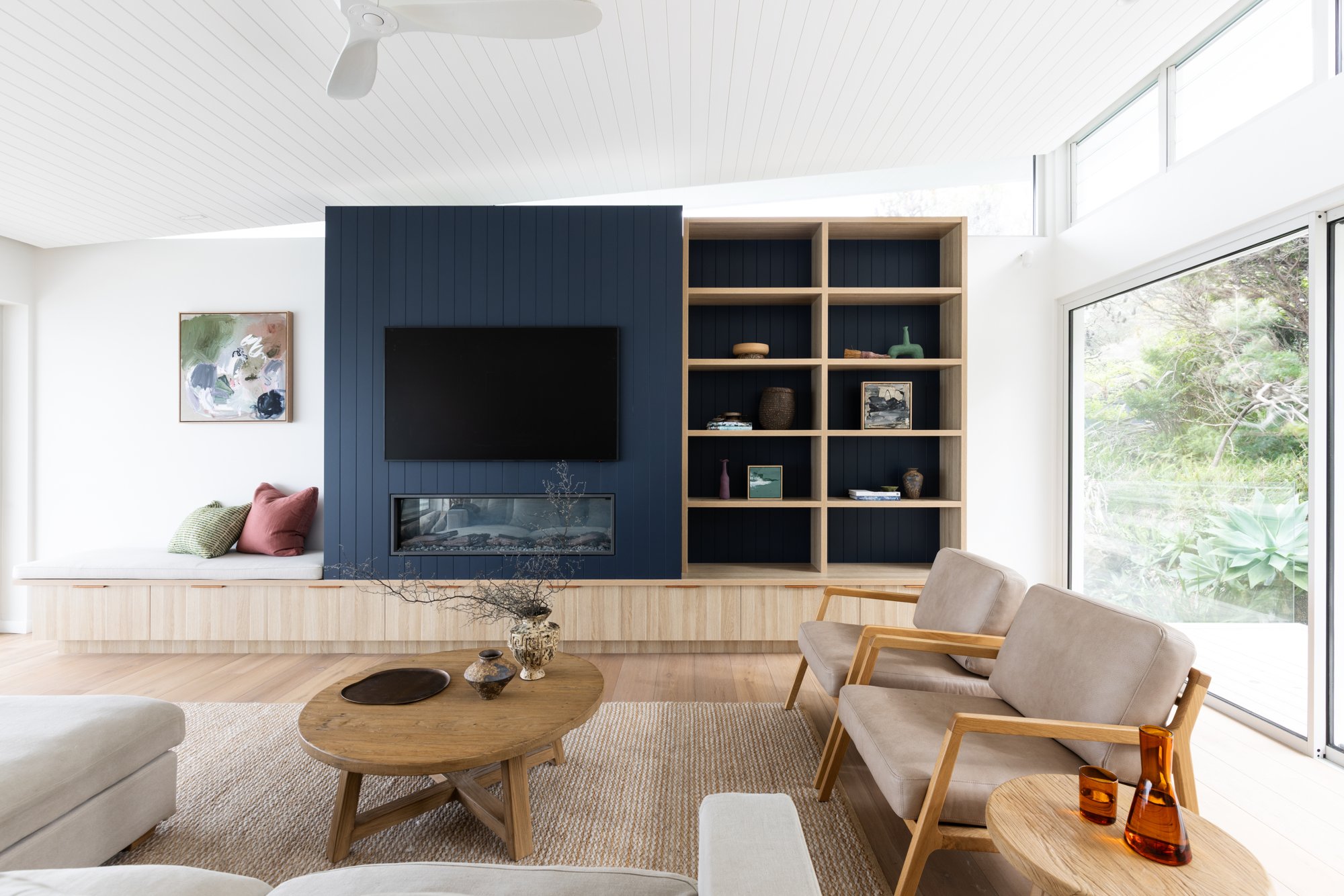
A generously sized jute rug pulls the whole seating group together in our Whale Beach project. Image via Simon Whitbread Photography.
Size Matters Most
The most common mistake is a rug that floats in the middle of the room with the furniture around it. It makes the space feel smaller and the furniture disconnected. As a rule, go bigger than you think. In most rooms, leave around 30 to 45cm of floor showing between the rug and the walls, so the rug defines the space.
If you are unsure, before you buy, mark out the size on the floor with painter's tape and live with it for a few days. It is the simplest way to see what size will work.
Living Rooms
In a living room, the rug should be large enough that at least the front legs of the sofa and every armchair sit on it. In a larger room, all legs on the rug is even better. The rug should also extend beyond the width of the sofa, ideally by 20-30cm on each side.
For most living rooms, that means a rug of around 2.5 x 3.5m or 3 x 4m. A standard 2 x 3m is generally too small once the furniture is in place.
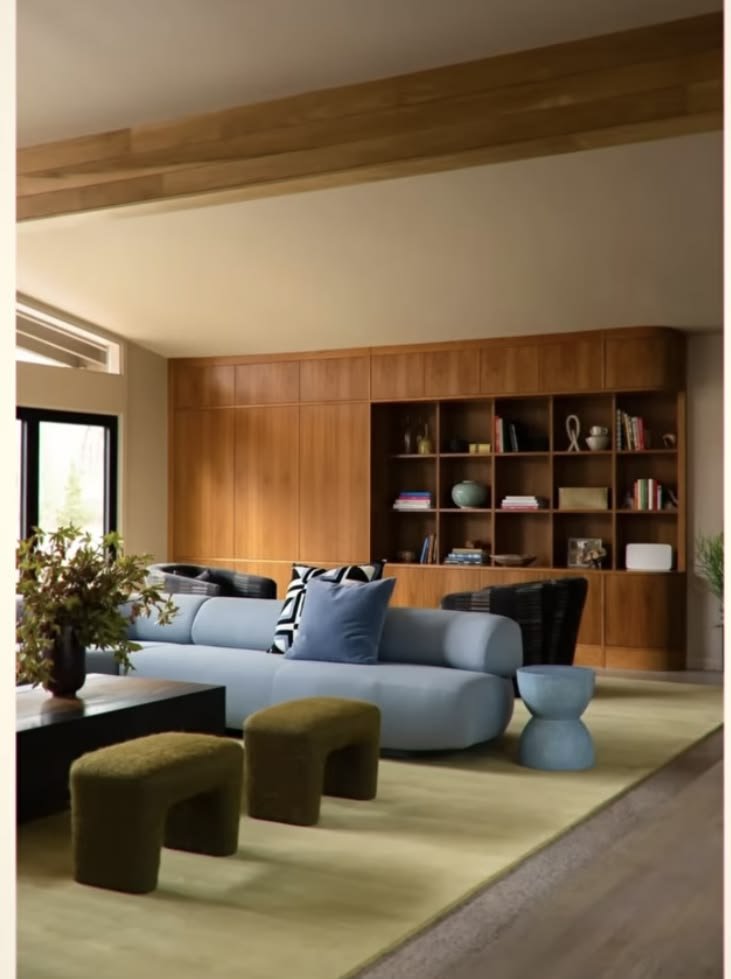
Every piece of furniture sits on this generously sized rug to create a cohesive grouping. Image via Pinterest.
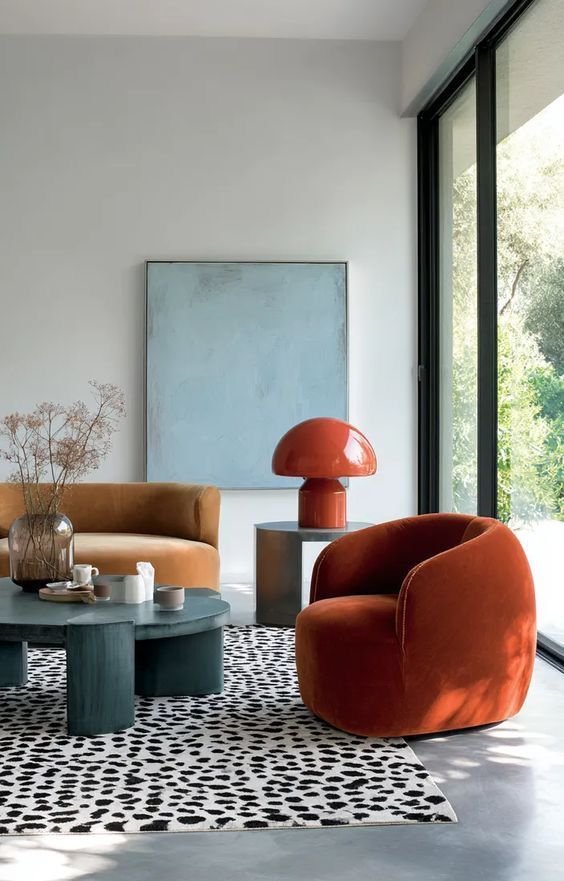
Front legs on the rug is the minimum, and it still anchors the room beautifully. Image via Pinterest.
Dining Rooms
A dining rug needs to be large enough for the chairs to stay on it when they are pulled out. Allow at least 60 to 75cm beyond the edge of the table on every side. Follow the shape of the table: a rectangular rug under a rectangular table, a round rug under a round one.
Choose a low pile or flat weave that chairs slide over easily and that is easy to clean.
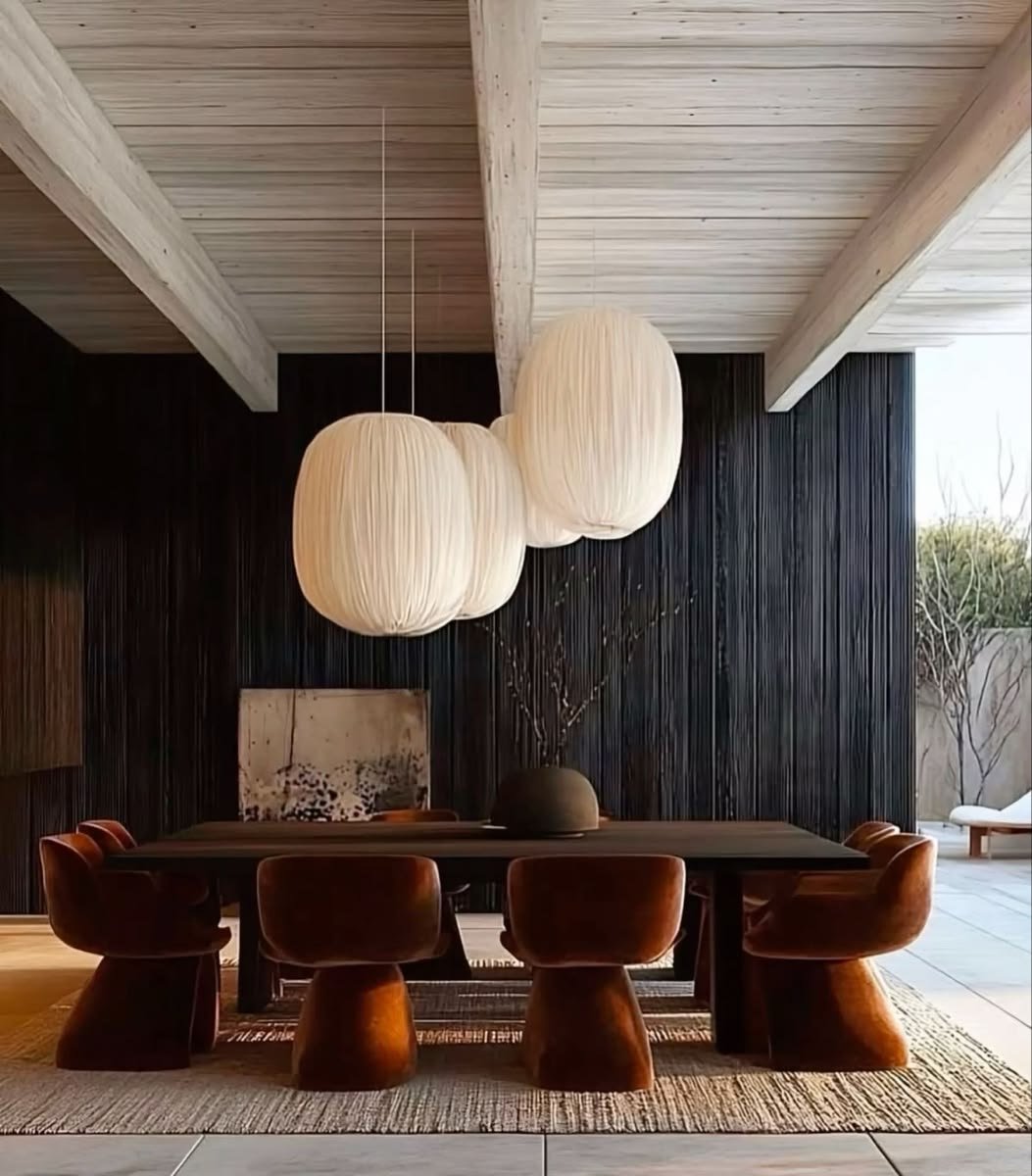
A flat weave rug sized well beyond the table means the chairs never catch the edge. Image via Pinterest.
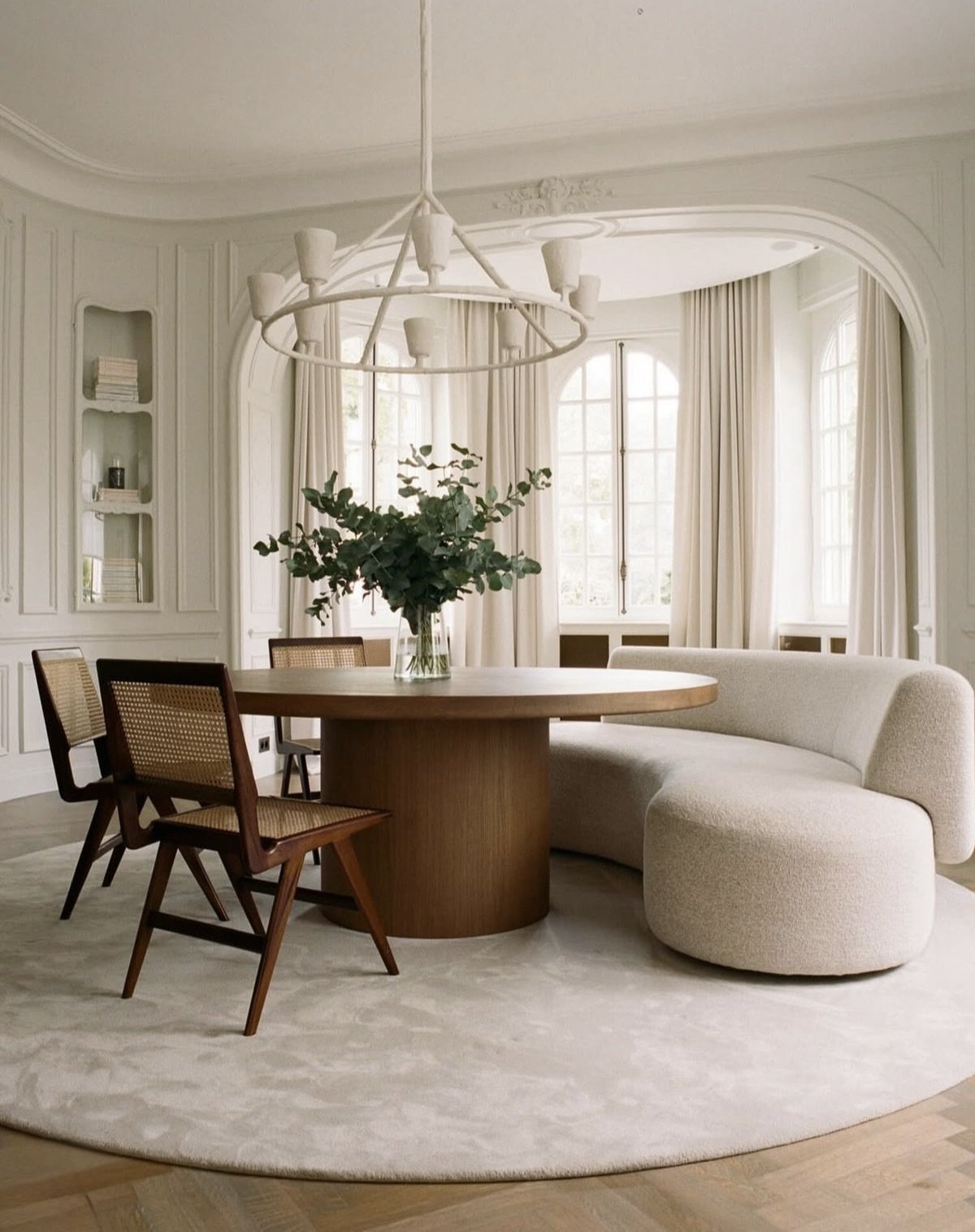
A round rug follows the shape of this round table and softens the whole dining zone. Image via Pinterest.
Bedrooms
In a bedroom, the rug should sit under the bottom two thirds of the bed, extending around 50 to 60cm on either side and beyond the foot of the bed, so the first step out of bed lands somewhere soft. In a smaller room, a pair of runners or smaller rugs either side of the bed works well.
This is the place for softness underfoot. A wool rug with a little more pile feels lovely in a bedroom.
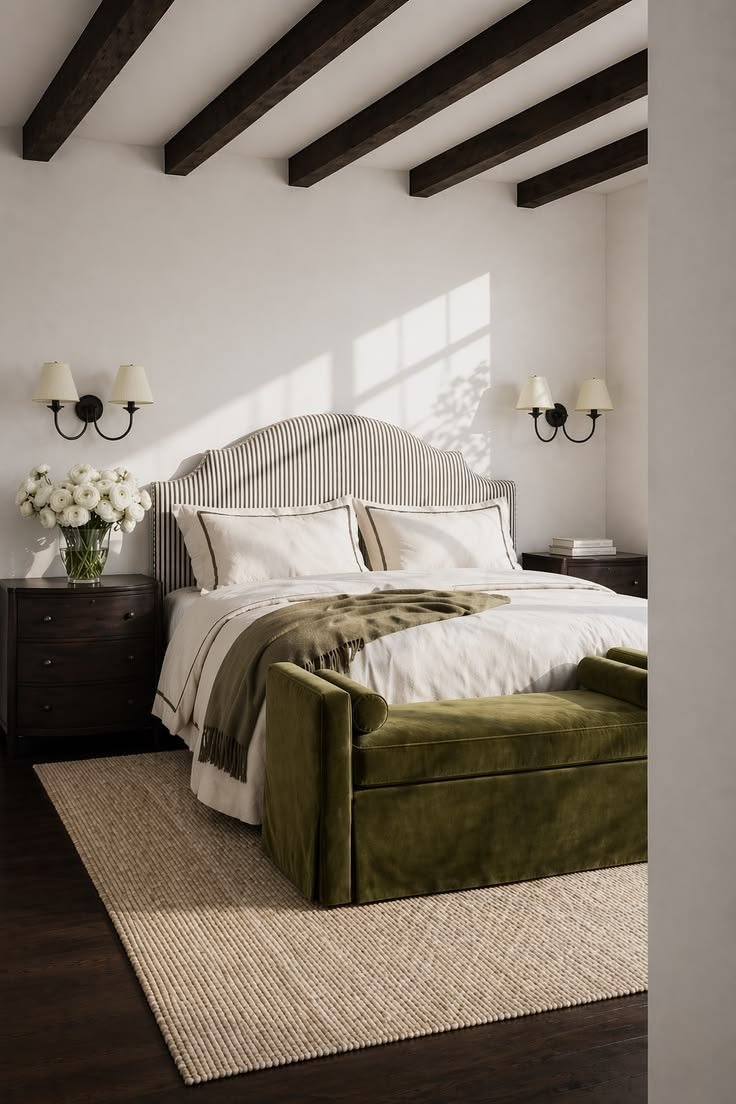
A generous rug extends well beyond the bed, to soften the hard flooring in this bedroom. Image via Pinterest.
Hallways and Entries
Runners bring warmth and character to hallways, and protect the floor where it gets the most wear. Leave around 10 to 15cm of floor on either side, and stop the runner short of each end of the hall. Make sure doors can open freely over it.
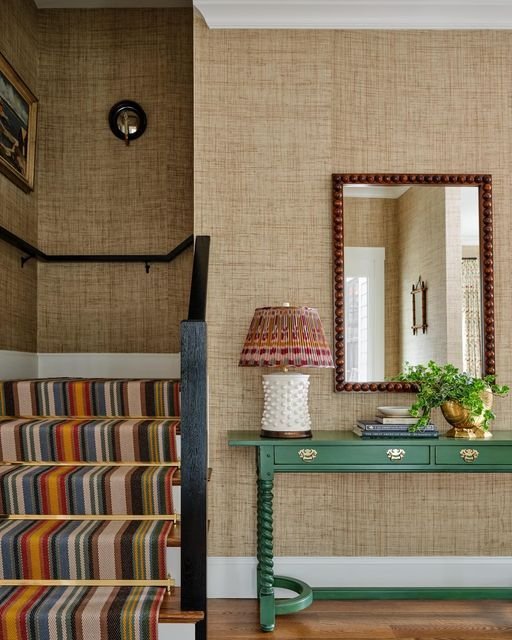
A striped runner brings fabulous colour and character to this staircase, and protects the treads where they take the most traffic. Image via Pinterest.
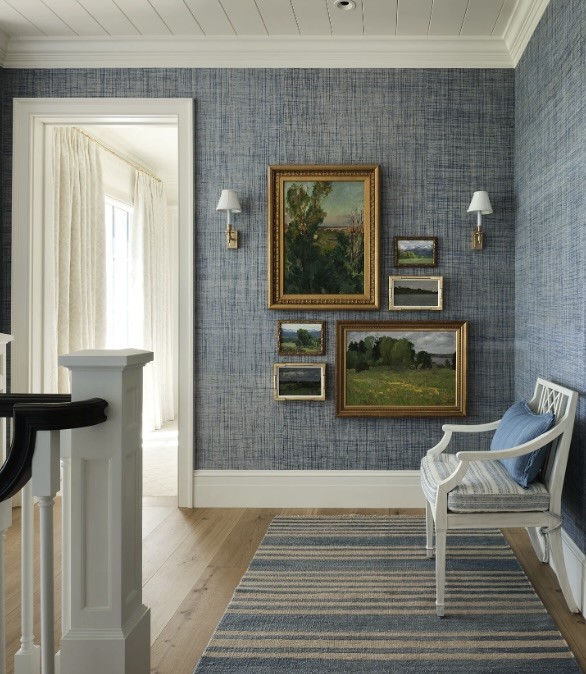
A striped flat weave rug softens this landing and picks up the blue of the grasscloth walls. Image via Pinterest.
Entries need a hard wearing rug that can handle sand, rain and daily traffic. A flat weave wool or wool and sisal blend is a good choice.
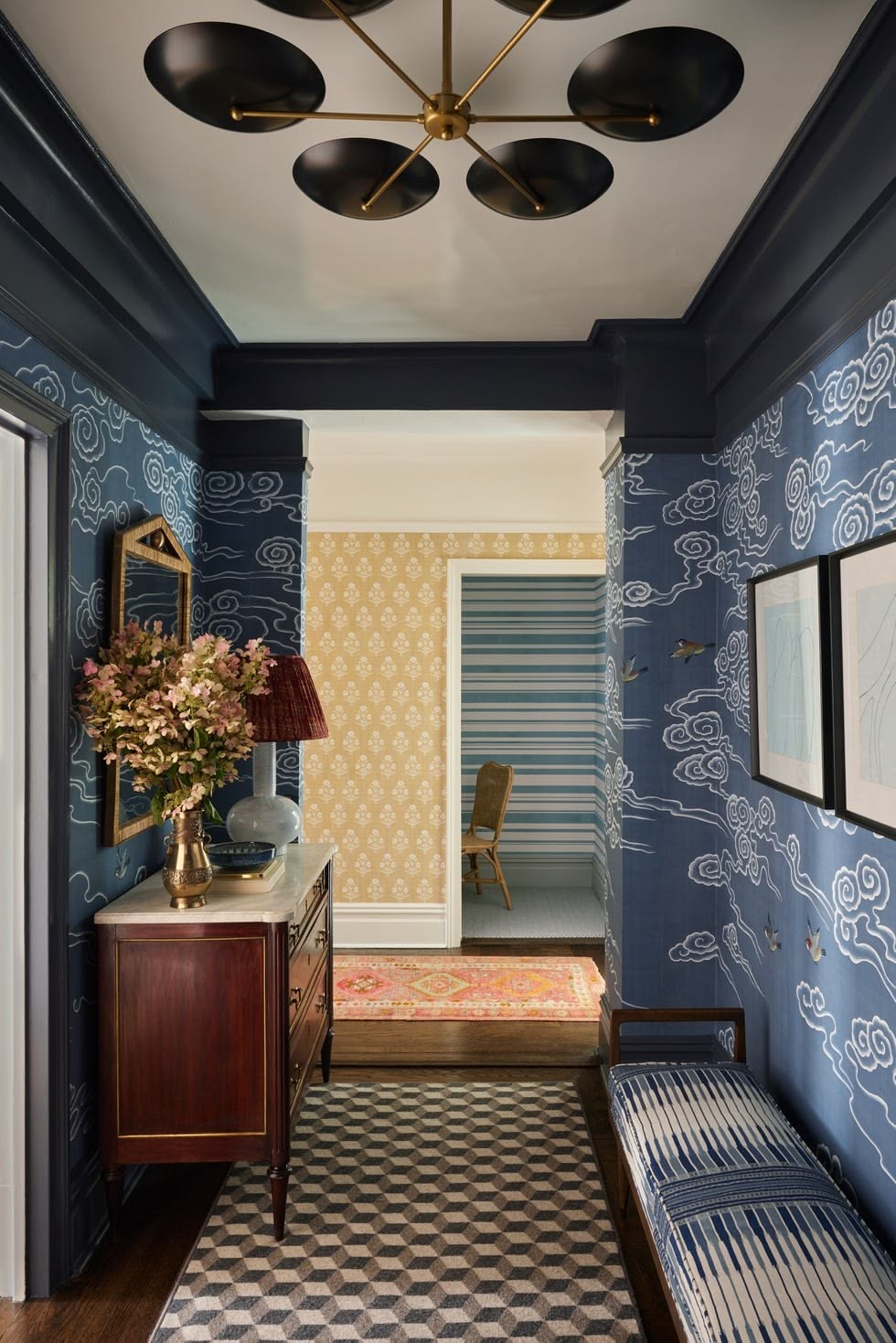
A geometric rug brings pattern to this narrow entry hall, with a vintage rug drawing the eye into the room beyond. Image via Pinterest.
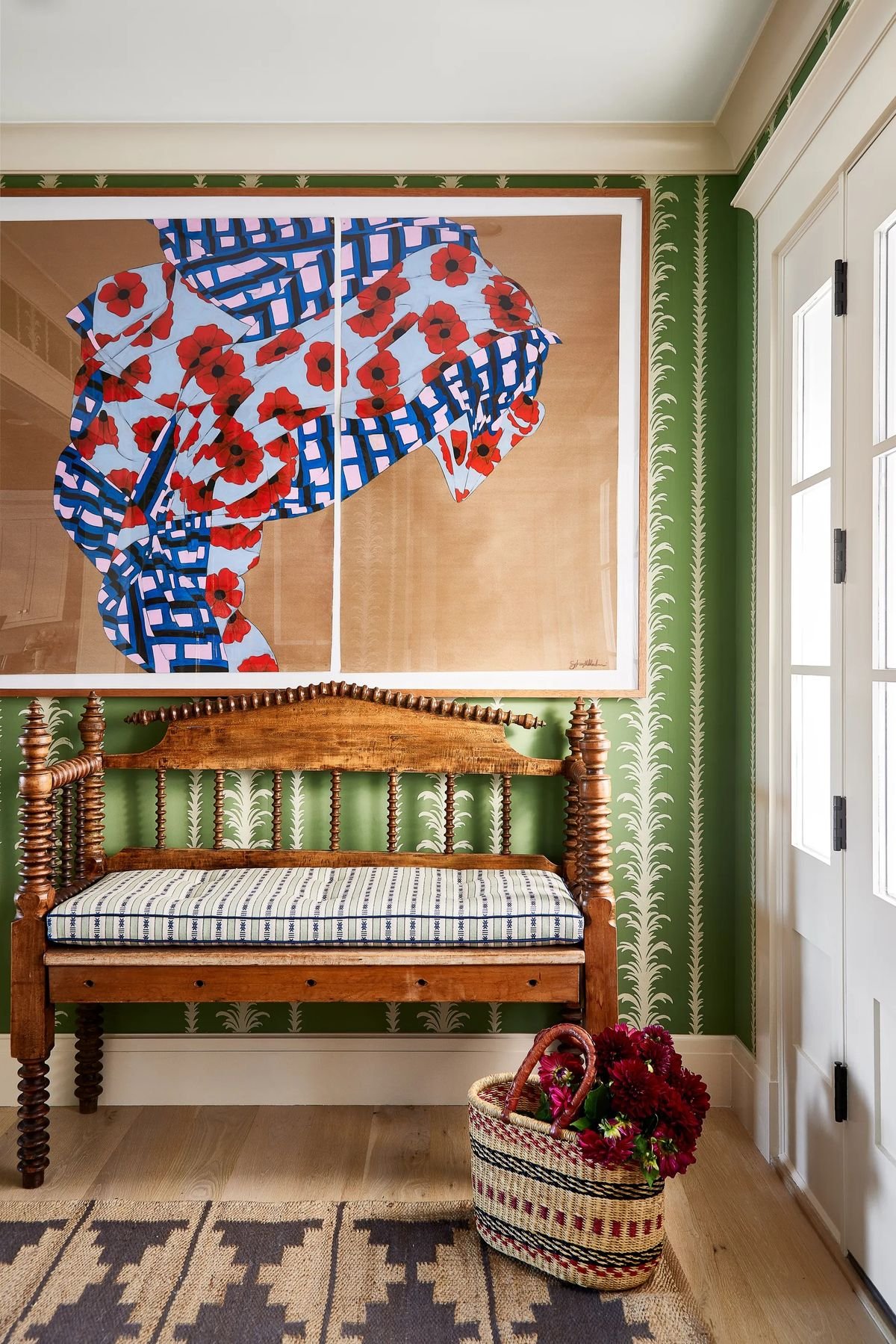
A hard wearing flat weave brings pattern to this entry and handles daily traffic with ease. Image via Pinterest.
Choosing the Right Material
Wool is our first choice for most rooms. It is durable, naturally resists stains, and feels warm underfoot. Flat weave wool and kilims sit low and suit dining rooms and high traffic areas.
Jute, sisal and seagrass bring a lovely natural texture and suit coastal homes, but they are firmer underfoot and are harder to clean. Cotton is affordable and often washable, which makes it practical for children's rooms. Silk and viscose blends have a beautiful sheen but are delicate and best kept to low traffic rooms. For outdoor areas, choose a purpose made outdoor rug.
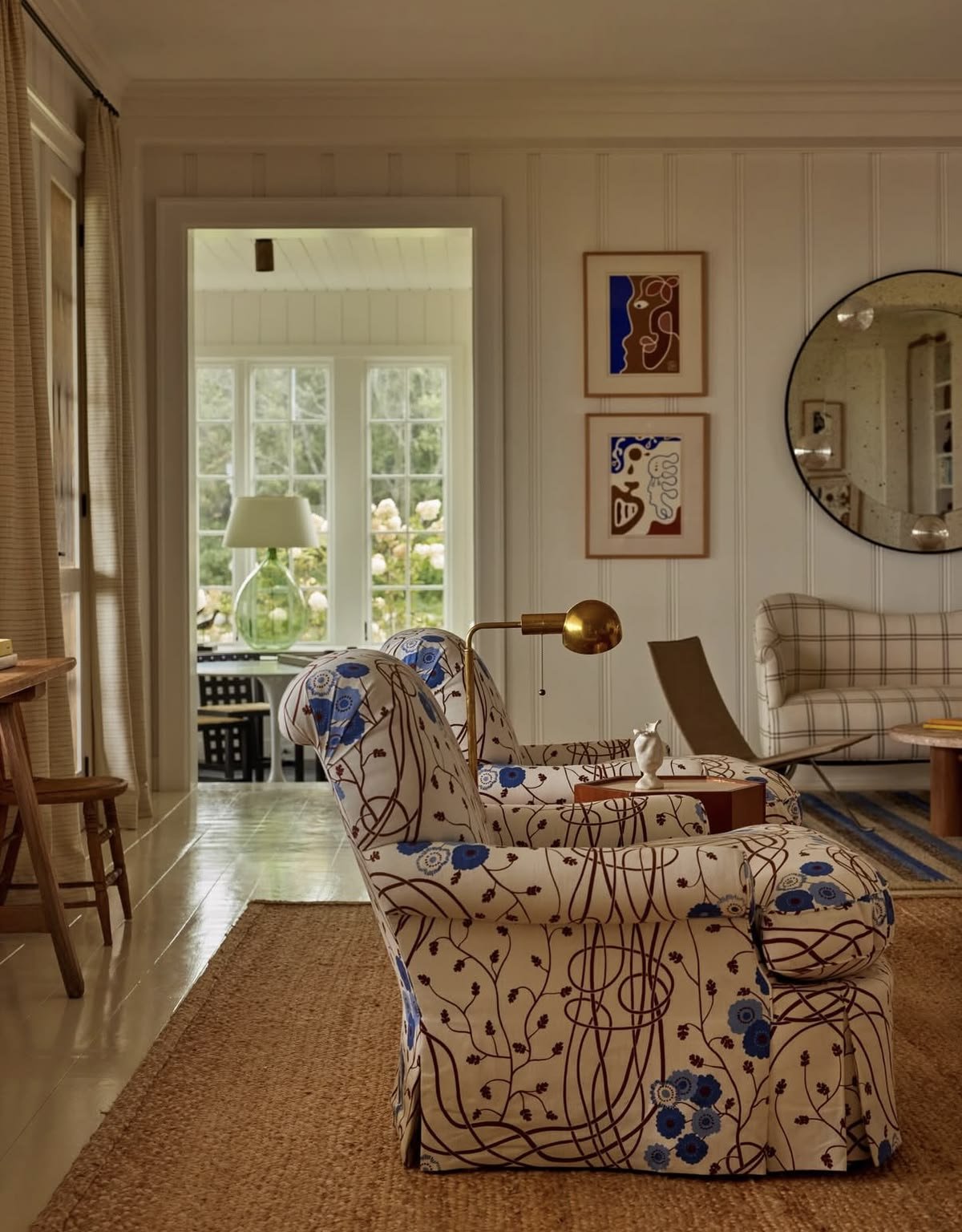
A natural jute rug adds texture and suits the relaxed feel of this coastal home. Image via Pinterest.
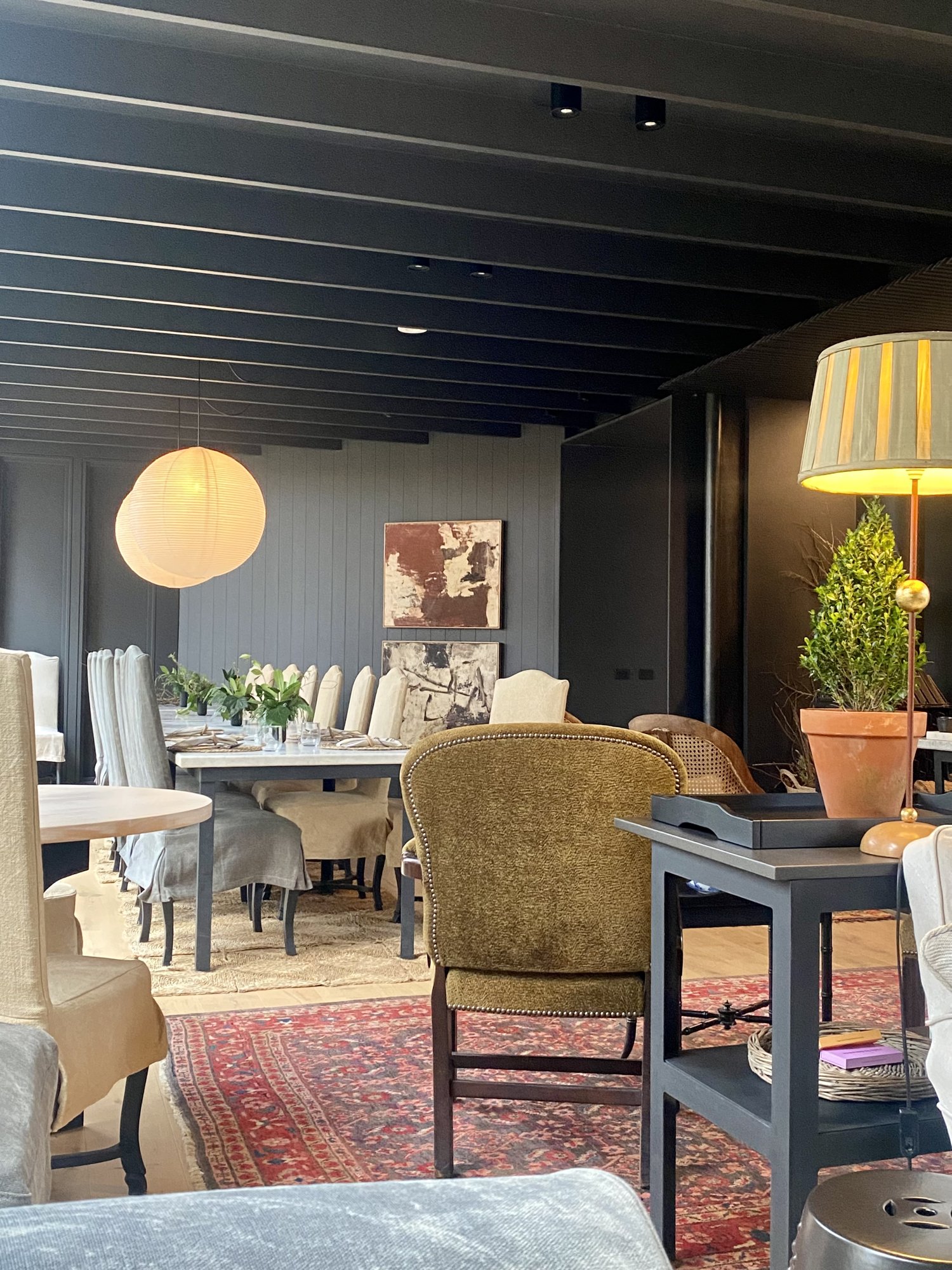
A vintage rug brings gorgeous colour and pattern to this space, and works in contrast to the hardwearing coir matting. Image via Moss Manor.
The Finishing Touches
Always use a good underlay. It stops the rug moving, protects the floor beneath, and extends the life of the rug. Rotate your rugs every six to twelve months so they wear and fade evenly.
A rug is often the foundation of a scheme, so it is worth choosing early. Buy well, buy once, and a good rug will last for years to come.

Start From the Floor Up
Rug selections form a part of every scheme we put together from size and placement to material and sourcing, so each room feels grounded and complete.
Book a Consultation