How to Prepare Your Home for a Renovation: Our Quick Checklist
A renovation rarely goes wrong in the building. It goes wrong in the weeks before it, in decisions left too late, or made in the wrong order. By the time the first wall comes down, most of what determines whether a project runs smoothly has already been decided, or should have been.
These are the things we ask every client to have in hand before we start on site.
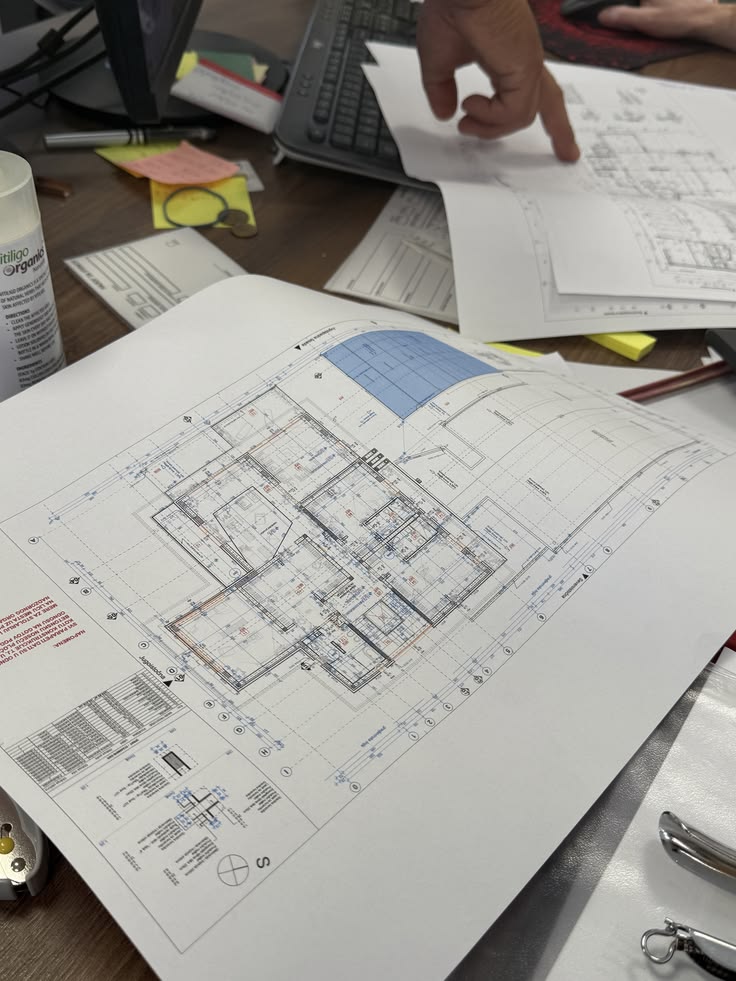
Plans need to be reviewed on site in full, before a single decision is made.
Know Your Brief Before You Know Your Finishes
It is tempting to start with the fun part, tiles, tapware, paint colours. Before any of that, decide what the space actually needs to do. A kitchen that needs to seat six people works differently to one built for two. A bathroom for a family of four has different priorities to a guest powder room. Get the brief right first, it is what every other decision gets measured against, and finishes chosen before the brief is settled usually need to be unpicked later.
Document What's There Before It's Gone
Measure every room properly, and photograph existing joinery, cornices and services, anything that might need to be matched or referenced once walls are open. This sounds like a small task and it is often skipped, and it is the thing that saves the most time once the project is underway. A trade working from an accurate set of measurements moves faster and makes fewer costly assumptions than one working from memory.
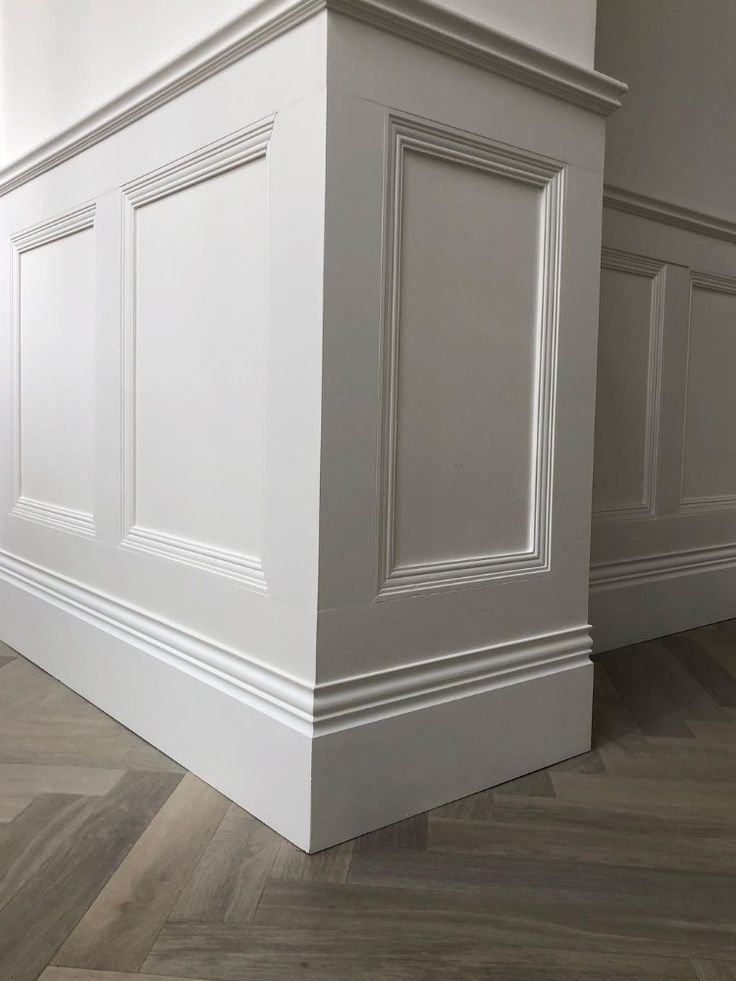
Existing cornice and skirting, documented in detail before demolition takes place.
Choose Finishes Before Demolition, Not During
Tapware, tiles, lighting and stone can sometimes carry lead times of up to eight weeks or more. Choosing them once trades are already on site is the single biggest cause of delay we see, work stalls waiting on a decision that could have been made months earlier, and the options narrow to whatever happens to be in stock. Have selections made and ordered before the first wall comes down, not during.

Tile, stone and fabric samples, brought together before anything is chosen.
Sequence the Decisions in the Right Order
Cabinetry gets decided before paint colour. Joinery gets decided before soft furnishings. Get this order wrong and earlier choices end up dictating later ones in ways that limit the result, a wall colour picked too early can rule out a rug that would otherwise have been perfect. A considered project moves through decisions in the order they actually depend on each other, not the order they feel most exciting to make.
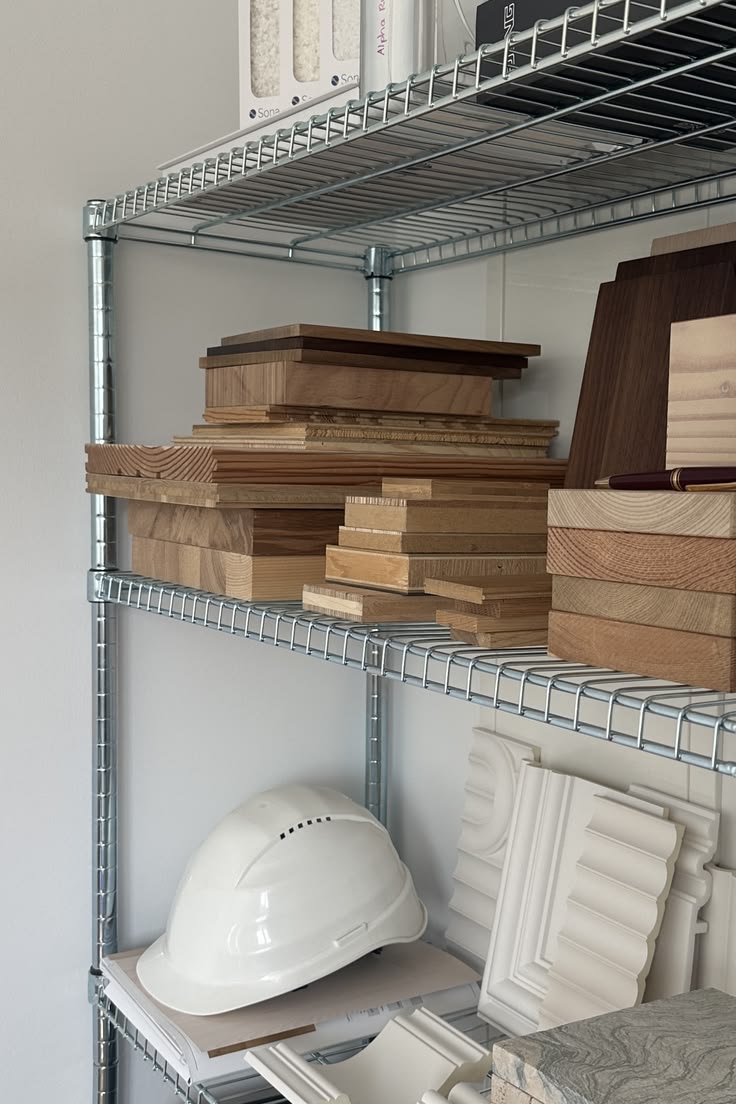
A materials library, kept in order on site so every decision made has a reference point.
Plan Where You'll Actually Live
Decide early where you will live during the works, whether that is another part of the house, a rental, or with family, and what happens to the furniture and belongings currently in the space. This is not a decision to make the week before trades arrive. A clear plan for daily life during construction, cooking, storage, laundry, keeps a renovation from becoming disruptive in ways that have nothing to do with the build itself.
Set a Contingency and Hold It Back
Older homes in particular reveal things once walls are opened, and a contingency of ten to fifteen percent of the build cost is standard for good reason. Set it aside at the start and treat it as untouchable until it is genuinely needed. A project without a contingency is a project where the first surprise becomes a crisis instead of a line item.
Preparing for a renovation is not so different to styling a room well. It rewards precision over impulse, and the work done before anyone picks up a tool is often what determines how the finished space feels.

Planning a renovation?
Our Initial Consultation is where most clients start, a site visit and clear, written direction before a single decision is made in the wrong order.
Book a Consultation